Aphantasia Test & Face Blindness: How to Check Your Visual Imagery
Do you struggle to put a face to a name, even for people you know well? Does your mind feel blank when trying to recall a loved one's features? For many, this isn't just a poor memory, but a unique cognitive experience potentially linked to aphantasia or even face blindness (prosopagnosia). This article will explore the fascinating, often confusing, relationship between these conditions, helping you understand why you might "see" the world differently. If you've ever wondered about the vividness of your own mental imagery, taking an aphantasia test can be an enlightening first step. Do people with aphantasia have trouble remembering faces? Let's dive in and find out.
Understanding Aphantasia: The Absence of a Mind's Eye
Before we can connect the dots, it's crucial to understand aphantasia on its own. It's a fascinating variation in human cognition that affects millions, yet many people don't even know it has a name. It is not a disorder, but rather a different way of experiencing thought and memory. The journey to understanding your own mind often begins with a simple question about how you perceive the world.
What Exactly is Aphantasia?
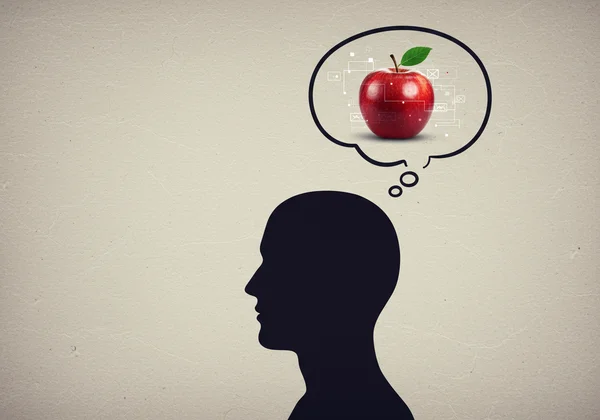
If you have aphantasia, you simply can't voluntarily conjure mental images in your mind's eye. When someone says, "picture an apple," a person with aphantasia doesn't see an apple. They might know what an apple is—they can describe its color, shape, and taste—but the visual image simply isn't there. This exists on a spectrum; some people have very dim or fleeting images (hypophantasia), while others experience a complete absence of visual imagination. This cognitive trait can extend beyond visuals to other senses, like the inability to imagine sounds, smells, or textures. An aphantasia self-assessment is an excellent way to gauge where you fall on this spectrum.
How Aphantasics Experience and Recall Faces
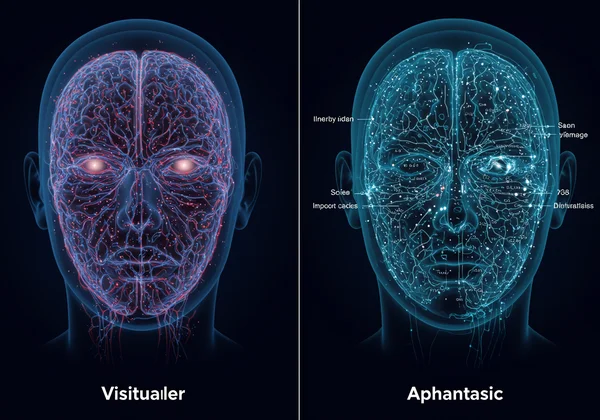
So, how do individuals with aphantasia remember what people look like? Instead of conjuring a mental snapshot, they often rely on a collection of non-visual data. They might remember someone by their distinctive laugh, the way they walk, their unique hairstyle, or a list of factual descriptors like "tall, blue eyes, wears glasses." Their memory of a person is more of a semantic concept or a collection of facts rather than a visual file. This is fundamentally different from visualizers who can instantly call up a detailed image of a person's face. If this sounds familiar, you might want to explore your mind's eye.
Decoding Face Blindness: The Challenge of Prosopagnosia
Now let's turn to another distinct cognitive condition: prosopagnosia, more commonly known as face blindness. While it might sound similar to the challenges faced by some with aphantasia, it's a separate neurological issue with its own unique characteristics and impact on daily life.
What is Prosopagnosia? An Overview
Prosopagnosia is a neurological condition characterized by a specific difficulty in recognizing faces. A person with prosopagnosia can see a face clearly—they can identify the eyes, nose, and mouth—but they struggle to process that information to identify the person. It's a recognition problem, not a memory or vision problem. They might not recognize their own family members, close friends, or even themselves in a photograph. This condition can be developmental, meaning someone is born with it, or acquired later in life due to brain injury.
The Daily Impact of Not Recognizing Faces
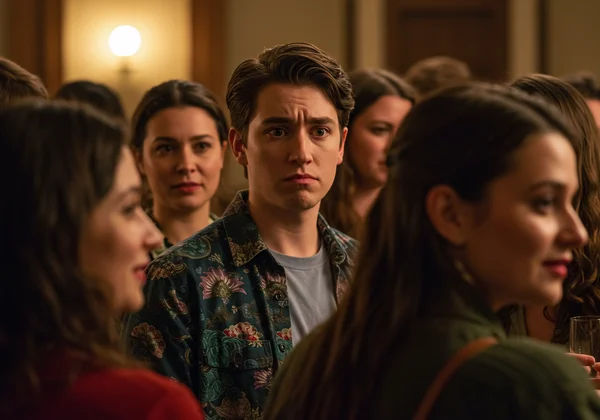
Living with prosopagnosia can be socially challenging and emotionally taxing. Individuals may worry about appearing rude or aloof when they fail to recognize someone they know. Social gatherings can become a source of anxiety, as they try to navigate conversations without knowing who they are talking to. To cope, many develop strategies similar to those with aphantasia, relying on non-facial cues like voice, clothing, or context to identify people. This constant detective work can be mentally exhausting.
Exploring the Overlap: Aphantasia, Prosopagnosia, and Facial Memory
This is where things get interesting. Since both conditions involve challenges with facial recall, it's natural to wonder if they are connected. While they are distinct, research and anecdotal evidence suggest a fascinating interplay between the two. Understanding this relationship can provide clarity for those who experience difficulties with both visualization and recognition.
Are Aphantasia and Prosopagnosia Connected?
Current research suggests that there is a higher-than-average co-occurrence of aphantasia and developmental prosopagnosia. However, it's important to stress that one does not directly cause the other. You can have aphantasia without face blindness, and you can have face blindness with a vivid imagination (hyperphantasia). They are separate conditions. The link seems to lie in how our brains process and store information. Aphantasia makes voluntary visual recall impossible, which can make the process of remembering and recognizing faces much harder, even if the fundamental recognition circuits of prosopagnosia aren't impaired. For those curious about their own abilities, a free aphantasia test can provide valuable insight.
The Role of Visual Imagery in Face Recognition
For most people, visual imagery plays a key role in memory. When you meet someone, your brain encodes their facial features. Later, you can recall that mental image to help you recognize them. Vivid mental imagery strengthens this encoding and retrieval process. For someone with aphantasia, this visual memory aid is absent. They cannot "practice" remembering a face by picturing it in their mind. This lack of visual reinforcement could indirectly contribute to weaker facial recognition skills, mimicking some of the challenges of prosopagnosia without being the condition itself. This is why a mind blindness test can be a useful tool for self-discovery.
Living and Thriving with Face Recognition Challenges
Whether you identify with aphantasia, prosopagnosia, or both, the challenges are real—but so are the solutions. Embracing your unique cognitive style and developing practical strategies can transform social anxiety into confident navigation. It's about working with your brain, not against it.
Practical Strategies for Remembering People Without a Visual Mind's Eye
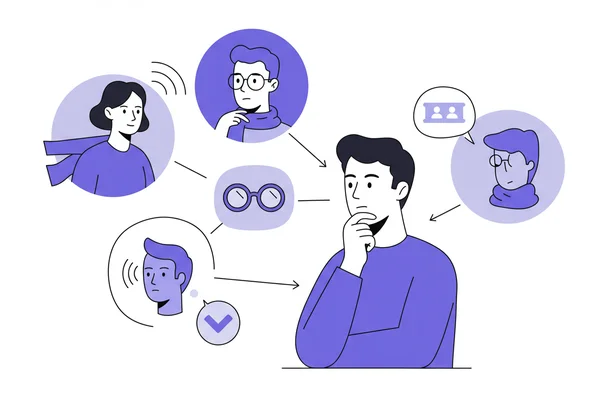
If you can't rely on a mental picture, you can sharpen your other observational skills. Focus intentionally on non-facial cues. Listen closely to the person's voice—its pitch, cadence, and common phrases. Notice their posture, gait, or characteristic gestures. Pay attention to consistent accessories like glasses, jewelry, or a specific style of clothing. Don't be afraid to create mental "fact files" for people, linking their name to a unique detail you've observed.
Explaining Your Experience to Others
One of the most powerful tools is open communication. Explaining your experience to friends, family, and colleagues can prevent misunderstandings. You can say something simple like, "I have aphantasia, which means I don't create mental pictures, so I sometimes struggle to place faces out of context. Please don't hesitate to say your name when you see me!" Most people are understanding and appreciative of the clarification. It demystifies your behavior and fosters a more supportive environment.
Embracing Your Unique Way of Recognizing the World
The inability to picture faces, whether stemming from aphantasia or prosopagnosia, is not a flaw. It is simply a different way of processing and interacting with the world. By understanding the nuanced relationship between these cognitive traits, you can move from confusion to clarity. Realizing you rely on a rich tapestry of non-visual data can be incredibly empowering. Your mind has developed its own sophisticated system for navigating the social world.
Curious to learn more about your own visual imagination? The first step to understanding is awareness. Take our free, science-inspired aphantasia test today and explore your unique mind's eye.
Disclaimer: This article is for informational purposes only and does not constitute medical advice. The test provided on this website is a self-assessment tool and not a clinical diagnosis. If you have concerns about your cognitive health, please consult a qualified healthcare professional.
Frequently Asked Questions
Do people with aphantasia have trouble remembering faces?
Yes, many people with aphantasia report having difficulty remembering or recognizing faces. Because they cannot form a mental image of a person's face, they must rely on other cues like voice, hair, or context. This can make recognizing someone unexpectedly or out of context particularly challenging.
Is aphantasia a type of autism or ADHD?
No, aphantasia is not considered a type of autism or ADHD. They are distinct neurological variations. While some individuals may have co-occurring conditions, aphantasia is a specific trait related to the absence of voluntary mental imagery and is not a core diagnostic criterion for autism or ADHD.
What are people with aphantasia good at?
Many people with aphantasia report strengths in other areas of thinking. These can include abstract reasoning, logical and verbal thinking, and living in the present moment. Because they aren't distracted by mental imagery, some find it easier to focus on concepts, systems, and data-driven tasks.
Can people with aphantasia enjoy reading and visual media?
Absolutely. People with aphantasia can deeply enjoy books, movies, and art. While reading, their appreciation may come from plot development, character emotions, and conceptual world-building rather than visualizing the scenes. They experience the story, just without the internal movie that visualizers might have. A visual imagery vividness test can help you understand your own reading experience.
Is there a test for prosopagnosia (face blindness)?
Yes, there are formal tests for prosopagnosia, such as the Cambridge Face Memory Test (CFMT), which are typically administered by neurologists or researchers. These tests are designed to specifically assess the ability to learn and recognize new faces and are different from the VVIQ-based assessments used to gauge visual imagery vividness.