Aphantasia and Emotions: Processing Feelings Without Images
Imagine trying to recall a cherished childhood memory. You remember the facts—where you were, who you were with, what happened. You can even recall the warmth of happiness or the sting of a scraped knee. But what if there are no images? No mental movie playing in your mind's eye, just a collection of feelings, sensations, and knowledge. This is a common reality for people with aphantasia.
For many, this raises a crucial question: How do individuals with this condition experience and process emotions if they can't 'see' their emotional memories? This article explores the fascinating connection between aphantasia and emotional processing. We will look at scientific insights and personal experiences to understand how feelings thrive, even without visual imagery. If you've ever wondered about your own cognitive style, understanding this link is a great first step. You can begin your journey of self-discovery with our free aphantasia test.

This guide will help you understand that aphantasia is not about a lack of emotion but a different way of experiencing it. We will explore the brain's pathways for emotion, discuss empathy, and offer practical insights.
Emotional Processing in Aphantasia: The Science Explained
Many people mistakenly believe that aphantasia limits emotional experience. However, research shows our emotional and visual systems function separately. Not having a mind's eye doesn't mean you can't have deep, rich emotional experiences.
The Brain's Emotional Pathways: Separate from Visual Imagination
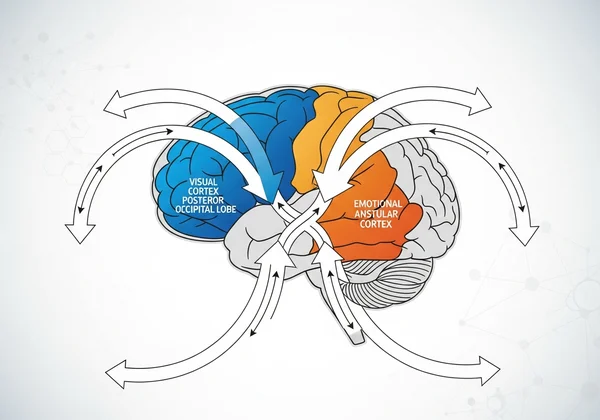
Our brains are incredibly complex. The regions responsible for feeling emotions, like the amygdala and insular cortex, are distinct from the visual cortex, which helps us "see" things in our minds. Emotions like joy, fear, or sadness trigger full-body responses. These include physical changes, hormonal shifts, and mental evaluations. While visual imagery can enhance these experiences, it's not essential to feeling emotions.
For many with this mind's eye condition, emotions are processed through other channels. This might be a stronger connection to physical sensations (somatic experience), a conceptual understanding of the feeling, or an internal monologue that narrates the emotional state. In other words, the brain finds other effective pathways to process feelings, proving that emotional depth isn't tied to visual recall.
Studies on Emotional Memory and Visual Imagination
How do people with aphantasia remember emotional events? Research in this area is growing, and the findings are enlightening. Studies often compare how people with and without the condition respond to emotional stimuli. For example, a 2020 study found that when reading emotionally charged scenarios, individuals with aphantasia showed a reduced physiological response, suggesting imagery might amplify feelings.
However, this doesn't mean the emotion isn't there. It simply suggests the experience is different. Many people with this cognitive style report that their emotional memories are more fact-based. They remember how they felt, the context of the event, and the impact it had on them, but without reliving it visually. This can even be an advantage, as some find it easier to move on from traumatic events without being haunted by vivid, intrusive images. To explore your own style of recall, you can start your test today.
Aphantasia and Empathy: Beyond the Visual Lens
A common concern is whether this condition affects the ability to empathize with others. Since we often "put ourselves in someone else's shoes" by imagining their situation, does a lack of mental imagery hinder this process? The answer is more nuanced than a simple yes or no.
Understanding Empathy Without Mental Imagery
Empathy has two main components: cognitive empathy and affective empathy.
- Cognitive Empathy: This is the ability to understand another person's perspective and feelings on an intellectual level. You can logically comprehend why someone is upset or happy.
- Affective Empathy: This is the ability to feel what another person is feeling, sharing their emotional state.
Aphantasia does not appear to prevent either form of empathy. Individuals with aphantasia often excel at using logic and conceptual thinking to understand others' perspectives (cognitive empathy). They also experience affective empathy through direct emotional connection, picking up on body language, vocal tone, and the emotional atmosphere around them. They feel with the person, even if they can't visualize the scenario causing the distress.
Real User Experiences: Anonymized Accounts
To bring E-E-A-T (Experience, Expertise, Authoritativeness, Trustworthiness) into this discussion, we turn to the stories of those with aphantasia. On forums and in communities, many aphantasics describe themselves as highly empathetic.
One user shared, "I don't see my friend's sad face in my head when they tell me about their bad day. But I feel a deep ache in my chest for them. My empathy is a physical feeling, not a picture." Another commented, "I'm a great listener because I'm not distracted by mental images. I focus entirely on their words, their tone, and the logic of their problem to offer support." These accounts show that empathy is a multifaceted human experience, not solely reliant on visual imagination. Discovering your own cognitive profile is the first step to understanding these unique strengths. Why not try our free tool to learn more?
Navigating Emotional Challenges Without Visual Memories
While having a mind's eye that doesn't visualize doesn't stop emotional processing, it can change how certain emotional challenges are experienced. Complex feelings like grief and nostalgia, which often rely on revisiting memories, can feel different without a mind's eye.
Grief and Nostalgia: Processing Complex Emotions
For many, grieving involves replaying memories of a loved one. Someone with aphantasia might not be able to "see" the person's smile or replay a happy moment visually. Instead, their grief might be tied to the absence of the person, the facts of their loss, and the deep, abstract feeling of sadness. It is no less profound, just processed differently.
Similarly, nostalgia might be less about a warm, fuzzy visual flashback and more about a conceptual appreciation for the past. It could be triggered by a song, a smell, or a story that brings back the feeling of a time gone by, without the accompanying mental slideshow. People with this condition still feel the bittersweet pull of nostalgia, but it is rooted in non-visual senses and knowledge.
Emotional Regulation Strategies for Aphantasics
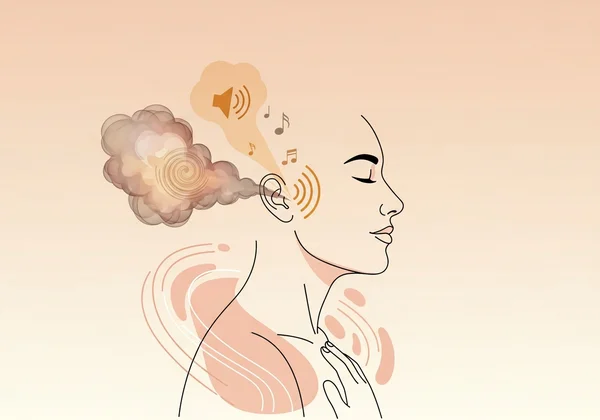
Because emotional experiences can be less visual and more conceptual or somatic, some emotional regulation techniques may work better for aphantasics.
- Mindfulness and Body Scans: Instead of visualizing a "calm place," focusing on physical sensations in the body can be very effective for grounding.
- Journaling: Writing down thoughts and feelings helps to externalize and organize them, turning abstract emotions into concrete words.
- Verbal Processing: Talking through emotions with a trusted friend, partner, or therapist can be incredibly helpful. It leverages the strong conceptual and verbal skills many with this cognitive variation possess.
- Music and Art: Engaging with external creative works can evoke powerful emotions without needing to generate internal imagery.
Understanding your unique cognitive style is key to finding the strategies that work best for you. An online aphantasia test can provide the initial insights needed to begin this journey.
Your Journey to Understanding Emotional Processing
Even without visual imagery, people with aphantasia experience emotions just as profoundly as anyone else. It means your emotional processing might follow a different path—one that relies more on concepts, physical feelings, and factual knowledge rather than mental pictures. This is not a deficit, but a fascinating variation in human cognition.
Understanding your unique cognitive style—where knowledge takes precedence over visual imagery—can help you harness your strengths. It helps you understand your own reactions, communicate your inner world to others, and find emotional strategies that align with how your mind works.
Are you ready to explore your mind's eye and understand your personal cognitive landscape? Begin your journey of self-discovery by taking our free assessment. Take our free, science-inspired aphantasia self-assessment to gain valuable insights into your visual imagination.

Disclaimer: This article is for informational purposes only and does not constitute medical advice. The test on this website is an educational tool for self-reflection, not a clinical diagnosis. If you have concerns about your mental health, please consult a qualified professional.
Frequently Asked Questions About Emotion Processing in Aphantasia
Do people with aphantasia struggle to feel emotions as deeply?
No, this is a common misconception. People with aphantasia can feel emotions just as deeply as anyone else. The primary difference is in the processing, which may be less reliant on visual memory and more connected to somatic (body) feelings, conceptual understanding, or internal monologue.
Can aphantasia affect how someone recognizes emotions in others?
Most research and anecdotal evidence suggest that this condition does not impair the ability to recognize emotions in others. This skill, often called "theory of mind," relies on interpreting facial expressions, body language, and tone of voice, all of which are external cues that do not require internal visualization.
Why do some people with aphantasia report feeling disconnected from their emotions?
Some individuals report this, but it's not a universal experience. This feeling of disconnection might stem from difficulty in "re-living" past emotions without visual recall, making memories feel more distant or fact-based. If this is a concern, exploring mindfulness or journaling can help build a stronger connection to one's present emotional state. Understanding your cognitive profile can be a helpful first step; you can start your test here.
Are there specific therapeutic approaches that help with emotional processing for aphantasics?
Therapeutic approaches that do not heavily rely on visual imagery can be very effective. Modalities like Cognitive Behavioral Therapy (CBT), which focuses on thoughts and behaviors, and Somatic Experiencing, which centers on body sensations, are excellent alternatives to therapies like guided imagery. Discussing your cognitive style with a therapist can help tailor the approach to your unique needs.